


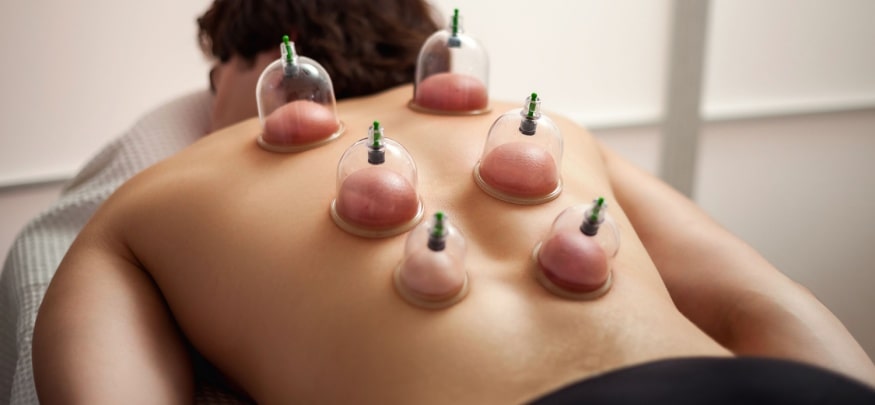
Post-workout recovery determines how quickly your body bounces back from training sessions. Remedial massage speeds up this process by targeting tired muscles and reducing inflammation. Your muscles rebuild stronger when you give them the right recovery support. Skipping proper recovery can lead to lingering soreness, decreased performance, and increased injury risk.
Why Does Post-Workout Recovery Through Massage Work?
Your muscles go through significant stress during exercise. Microscopic tears form in the muscle fibres, especially after intense workouts. This damage triggers your body’s repair process, but it also causes inflammation and soreness.
The Muscle Recovery Process
Exercise depletes your muscles of oxygen and energy stores. Metabolic waste products like lactic acid build up in the tissue. Blood flow needs to increase to deliver fresh oxygen and nutrients. Your body also needs to clear out the waste that accumulated during your session.
Remedial massage accelerates this entire process. The manual pressure and techniques improve circulation throughout the treated areas. More blood means faster delivery of everything your muscles need to repair. Better circulation also helps flush out those waste products causing soreness.
Reducing Inflammation and Tension
Your muscles often stay partially contracted after tough workouts. This residual tension restricts blood flow and maintains discomfort. Remedial massage helps release this tension and allows muscles to fully relax.
The treatment also helps control inflammation levels. Some inflammation is necessary for muscle growth and repair. Too much inflammation slows down recovery and increases pain. Massage helps keep inflammation at productive levels without letting it get out of hand.
What Benefits Can You Expect from Post-Workout Massage?
Regular massage services after training sessions provide multiple advantages for anyone committed to fitness. The remedial massage services at Bodyright focus on helping you recover faster and train more consistently.
Key benefits include:
- Reduced muscle soreness in the days following hard training
- Improved flexibility and range of motion
- Better sleep quality for optimal recovery
- Lower risk of overuse injuries
- Faster return to peak performance levels
- Mental relaxation after demanding physical work
When Should You Schedule Your Post-Workout Recovery Massage?
Timing can influence how much benefit you get from post-workout recovery massage. Different approaches work better depending on your training schedule and goals.
Immediate Post-Workout Treatment
Light massage within a few hours of training helps manage acute muscle fatigue. This approach focuses on gentle techniques that promote circulation without adding stress. Your therapist uses lighter pressure and flowing movements.
Your muscles are still warm and responsive right after exercise. This makes them easier to work with and more receptive to treatment. Many athletes find this timing helps prevent next-day soreness.
Recovery Sessions Between Training Days
Scheduling massage on rest days gives your therapist more flexibility with techniques. They can apply deeper pressure and target specific problem areas. Your muscles have started their repair process but haven’t fully recovered yet.
This timing works well for addressing chronic tightness or compensation patterns. Your Bodyright Massage therapist can spend more time on areas that need extra attention. The treatment complements your body’s natural recovery timeline.
How Often Should You Get Post-Workout Recovery Massage?
Frequency depends on your training intensity and recovery needs. Competitive athletes might benefit from weekly sessions or even more during heavy training blocks. Recreational exercisers often find benefit from fortnightly or monthly treatments.
Listen to how your body responds to different frequencies. You might need more frequent sessions during intense training periods. Lighter training phases might require less massage support.
Does Post-Workout Massage Really Speed Up Recovery?
Research supports massage as an effective recovery tool for active people. Studies show it reduces delayed onset muscle soreness and helps maintain performance between sessions. The mechanical effects on tissue combined with improved circulation create measurable benefits.
Your individual response depends on factors like workout intensity and current fitness level. Most people notice they can train harder more often when massage is part of their routine. The key is finding the right combination of massage techniques and timing that works for your body.
Working with an experienced masseuse near Perth who understands athletic demands makes a real difference. They know which techniques work best for different types of training stress. This knowledge helps you get maximum benefit from each post-recovery massage session.


 Book Online


