


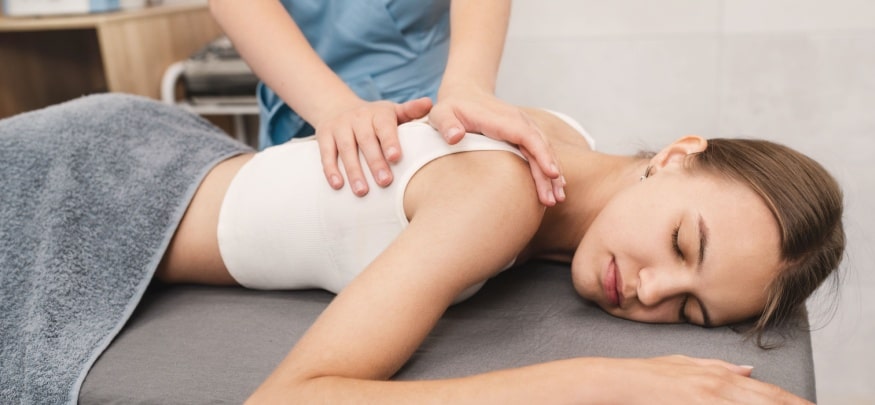
Choosing the right massage technique makes the difference between temporary relief and lasting results. Different approaches target specific problems in unique ways. Your body responds best when the treatment matches what’s causing your discomfort. Understanding your options helps you work with your therapist to create an effective plan.
What Massage Techniques Are Available?
Several massage approaches exist, each with distinct methods and purposes. The most recommended massage services at Bodyright cover the most effective techniques for common muscle and pain problems.
Remedial Massage
Remedial massage combines various techniques to address specific injuries or chronic conditions. Your therapist assesses your problem areas and chooses methods that target the root cause. This approach might include deep tissue work, trigger point therapy, and stretching.
The treatment focuses on restoring normal muscle function and reducing pain. Your therapist adapts the session based on how your body responds. This flexibility makes remedial massage suitable for most musculoskeletal problems.
Sports Massage
Sports massage prepares your body for athletic performance or helps it recover afterward. The techniques vary depending on whether you’re getting ready to compete or recovering from training. Pre-event work uses stimulating movements to activate muscles. Post-event sessions focus on reducing tension and promoting recovery.
Athletes benefit from regular sports massage even outside competition periods. Maintenance sessions help prevent overuse injuries and maintain optimal muscle condition. Your therapist understands the specific demands different sports place on your body.
Deep Tissue Techniques
Deep tissue work applies focused pressure to reach muscles beneath the surface layer. This approach targets chronic tension patterns and adhesions in muscle tissue. Your therapist uses slower movements with more concentrated force.
The treatment can feel intense but shouldn’t cause sharp pain. Communication with your therapist ensures the pressure stays at productive levels. Deep tissue techniques work well for long-standing muscle problems that lighter approaches haven’t resolved.
How Do You Know Which Technique You Need?
Your symptoms and goals point towards the most appropriate approach. Several factors help determine the best starting point for your treatment.
Based on Your Pain Type
Sharp, specific pain often responds well to targeted techniques like trigger point work or dry needling. Widespread muscle soreness might benefit more from broader remedial massage approaches. Chronic stiffness usually requires consistent deep tissue work over multiple sessions.
The quality of your pain tells your therapist a lot about what’s happening. Burning sensations suggest different problems than dull aches. Your Bodyright Massage therapist uses this information to choose appropriate techniques.
Based on Your Activity Level
Active people training regularly need different approaches than desk workers. Sports massage addresses the specific stress patterns from training and competition. Office workers often need more focus on postural muscles and stress-related tension.
Your daily activities create predictable patterns of tightness and weakness. Understanding these patterns helps your therapist prevent problems before they become injuries.
Can You Combine Different Massage Techniques?
Most effective treatments blend multiple approaches during one session. Your therapist might start with broad remedial work to warm up tissue. Then they can apply deeper techniques to specific problem areas. The session might finish with gentle movements to calm your nervous system.
This integrated approach addresses both immediate symptoms and underlying causes. You get relief from current discomfort while working towards long-term improvements. The combination often produces better results than single-technique sessions.
What Should You Tell Your Therapist?
Clear communication helps your practitioner choose the right techniques for you. Share details about when pain started and what makes it better or worse. Mention any injuries or health conditions that might affect treatment.
Your feedback during the session guides technique selection, too. Let your therapist know if pressure feels too intense or if certain movements help. This ongoing dialogue ensures your treatment stays on track.
How Long Until You See Results?
Response time varies based on how long you’ve had the problem. Acute injuries often improve quickly with appropriate techniques. Chronic conditions usually need several sessions before you notice significant changes.
Your body needs time to adapt to the changes the massage creates. Consistent treatment combined with home care exercises typically produces the best outcomes. Most people start noticing improvements within three to four sessions when working on chronic issues.
The right massage technique makes your treatment more effective and gets you back to normal function faster. Working with a skilled masseuse near Perth who understands various approaches gives you access to the tools your body needs to heal properly.



 Book Online


